
The largest coral reef on this planet
is The Great Barrier Reef. Keeping it, and all the other reefs clean is a huge
problem. Although humans do a lot to damage the reef, we aren’t the only
hazardous things. Natural threats cause a large problem also. Hurricanes, cyclones,
other natural disasters that tear up seaweed, anemones, stony corals, reefer
rocks, and other habitats. Invasive species, and even coral eating starfish are
creating huge damage to the coral reefs.
 When coral gets sick, it turns
pale, just like we do. It is a living, breathing organism. As humans, we have
lots of waste. So where does all of it go? Well a quote from nemo is “All
drains lead to the ocean.” Every time you wash your hands, flush something down
the toilet, or drop something in a watershed, it will find its way to the ocean.
So be aware. Other human devastations include things like oil spills, and over fishing.
When coral gets sick, it turns
pale, just like we do. It is a living, breathing organism. As humans, we have
lots of waste. So where does all of it go? Well a quote from nemo is “All
drains lead to the ocean.” Every time you wash your hands, flush something down
the toilet, or drop something in a watershed, it will find its way to the ocean.
So be aware. Other human devastations include things like oil spills, and over fishing.
The worst oil spill happened in the
first Gulf War. Iraqi forces opened up oil valves to slow down the charge of
American troops. In doing so, it caused the largest oil spill in history. About
240 million gallons of it spilled into the Persian Gulf. Corals could not
handle this large change in their homes and many didn’t survive. It also
affected the wild life that uses the corals as homes. Killing many of the fish,
octopus, sea snails, reef sharks, eels, sea stars, crabs, shrimp, etc.
 As for natural threats, hurricanes,
cyclones, and invasive species are the main problem. Just like a hurricane can
tear apart our houses, it can ruin the oceans reefs too. Corals are ripped out
from their foundation and killed, left to float across the ocean and die on the
sea floor. Objects are also carried into the ocean and thrown into coral reefs. There are even predatory starfish that kill coral. If the population
of these starfish rises, more and more of the corals are being eaten,
destroying the reefs. Although they do not eat an entire coral, they damage
them, causing them to get sick and eventually die.
As for natural threats, hurricanes,
cyclones, and invasive species are the main problem. Just like a hurricane can
tear apart our houses, it can ruin the oceans reefs too. Corals are ripped out
from their foundation and killed, left to float across the ocean and die on the
sea floor. Objects are also carried into the ocean and thrown into coral reefs. There are even predatory starfish that kill coral. If the population
of these starfish rises, more and more of the corals are being eaten,
destroying the reefs. Although they do not eat an entire coral, they damage
them, causing them to get sick and eventually die.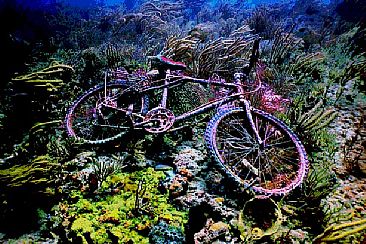
The reason it is so important to
keep coral reefs thriving is because they are homes to millions of species.
Without them, we would find that many of those species would go extinct. If not
extinct, changed, in order to survive. Not only can we help the already damaged
coral reefs, but we can help save future reefs. Conserving water, riding bikes
or walking, using organic fertilizers, planting trees, and spreading the word
are all good ways of putting a positive vibe to coral reefs once again. The
goal to strive for is to return them to their original state. Beautiful,
healthy, and plentiful.
Overall the reason for damage to
coral reefs are natural threats and human threats. We can’t really control
nature but we can get rid of human pollution. Signing up for a reef restoration
group is a good way to learn more about reefs all over the globe, and how to
save them.

No comments:
Post a Comment