The Amazon isn’t very large compared
to the deforestation it is facing. It doesn’t help that it’s only found on one
continent on the planet, South America. Threats such as cattle ranching,
building roads and hydro-electric dams, mining, logging, oil extraction,
farming, and climate change. The reason protecting this rain forest is so
important is because it is home to approximately ten million species of plants,
animals, and insects. Not only is this forest important animals, plants, and
insects, but humans as well. The amazon provides about twenty percent of the
world’s oxygen. It is often referred to as “Lungs of the Planet.”
 Man seems to want to take away that
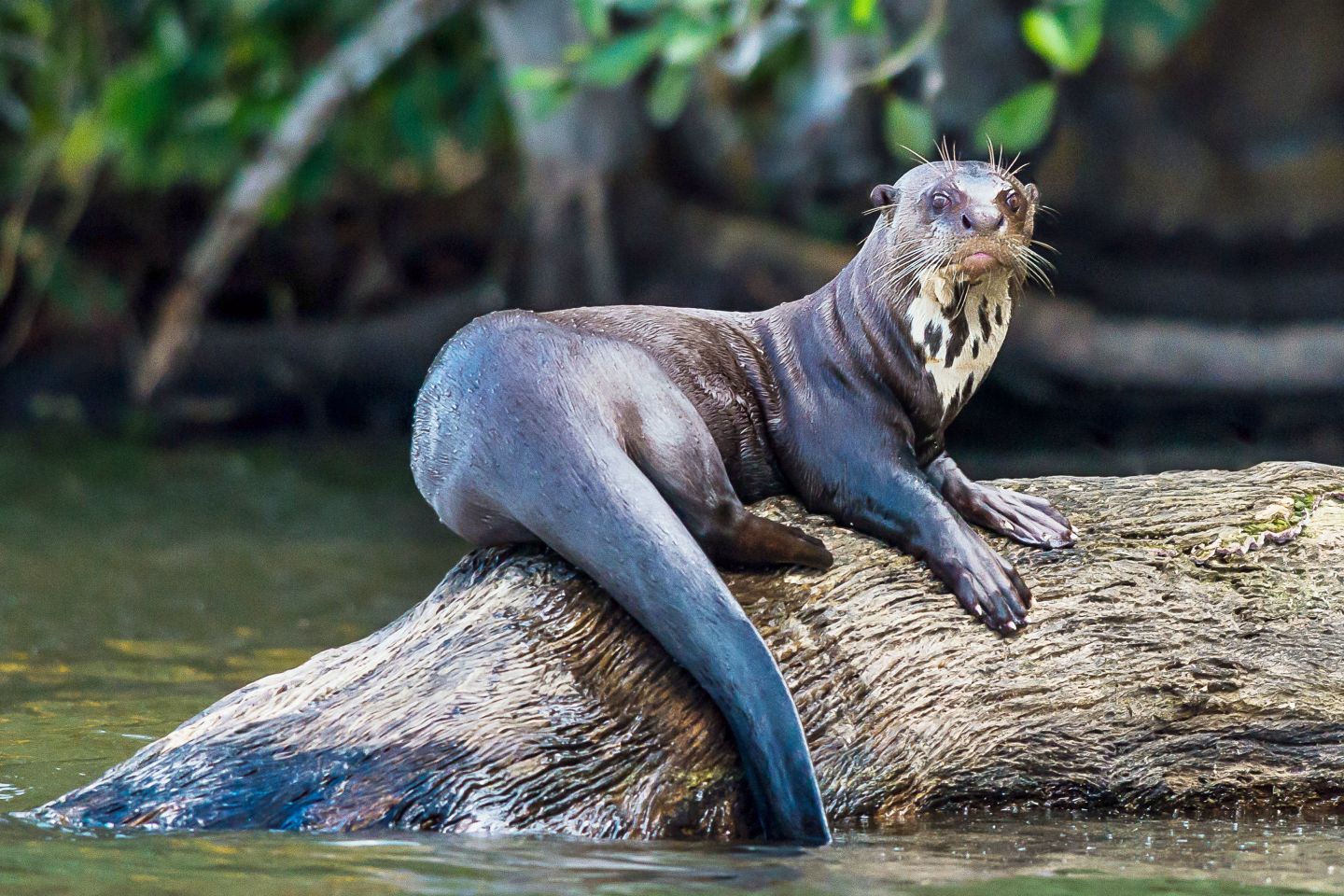
oxygen from the species living there however. Some of the most endangered
animal species call the Amazon their home. A few of these animals include the
Toucan, Gorilla, Giant River Otter, Jaguar, Manatee, Poison Dart Frog, and the
Amazon River Dolphin. The reason for their population decline is pollution,
hunting and fishing, climate change, deforestation, and invasive species being
introduced. The reason these species aren’t able to survive these conditions is
because they are so used to having a plentiful food and home space. The Amazon
is sunny and rainy, making it the perfect place for plants to nourish. These
plants provide food as well as protection for millions of species. Other places
on the planet have cold seasons where all the resources dry out, the species
living there have adapted and either migrate or hibernate. Organisms in the
Amazon do not.
Man seems to want to take away that
oxygen from the species living there however. Some of the most endangered
animal species call the Amazon their home. A few of these animals include the
Toucan, Gorilla, Giant River Otter, Jaguar, Manatee, Poison Dart Frog, and the
Amazon River Dolphin. The reason for their population decline is pollution,
hunting and fishing, climate change, deforestation, and invasive species being
introduced. The reason these species aren’t able to survive these conditions is
because they are so used to having a plentiful food and home space. The Amazon
is sunny and rainy, making it the perfect place for plants to nourish. These
plants provide food as well as protection for millions of species. Other places
on the planet have cold seasons where all the resources dry out, the species
living there have adapted and either migrate or hibernate. Organisms in the
Amazon do not. 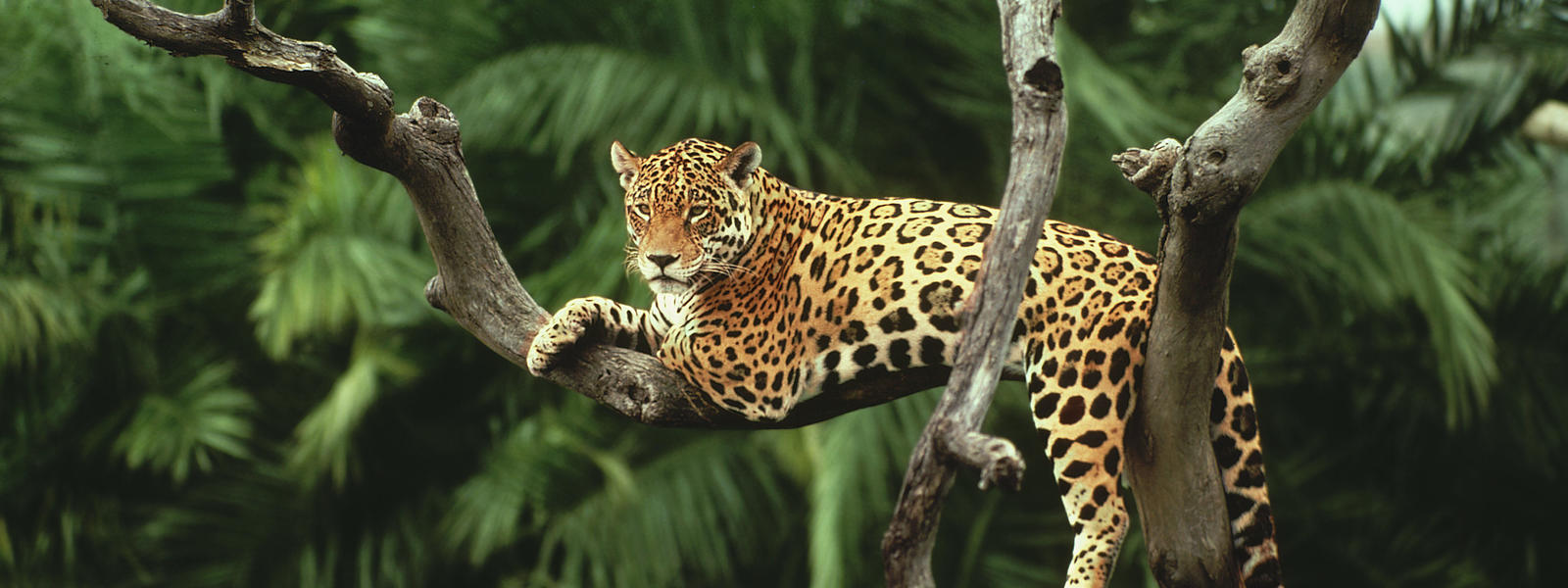
Rain forests use to make up fourteen
percent of the land on earth, now that number is down to six. “More than half
of our rain forests have already been lost due to the insatiable human demand
for wood.” says a National Geographic article. Humans are also affected by
these problems however. The Amazon is home to about 400 indigenous groups who
rely on the land to live, they also need this land for food and shelter. An organization
known as REDD+ has since been trying to educate these groups about things such
as climate change and deforestation so they know the consequences if the damage
continues, and how it can affect them as well.
Some suggestions this group has is encouraging people who live near the
forest to harvest its bounty rather than cutting it for farmland. Logging
(legal and illegal) are one of the largest problems for the Amazon. REDD+ is
hoping that logging regimes will agree to cull trees rather than clear-cut
them. This alone could save millions of acres every year.


Overall the Amazon consists of one in
ten known species on earth, has 4,100 miles of rivers, makes up half of the
planets remaining rain forests, and is about forty percent of South America.
That’s a lot of resources for one continent, but as a planet it’s close to
nothing, and it’s rapidly being destroyed. Saving this rain forest will only
have a positive affect by saving millions of human, insect, plant, and animal
lives.